
Learning to Tan a Sheepskin
On tanning hides and remembering lives with shepherd Johnny O'Mara

Kaixo lagun,
I’m trying to move closer to the sources of things I depend on: food, land, animals, and the people who care for them.
This has led me to cross paths with people who care ferociously for the landscapes and communities of living beings they steward.
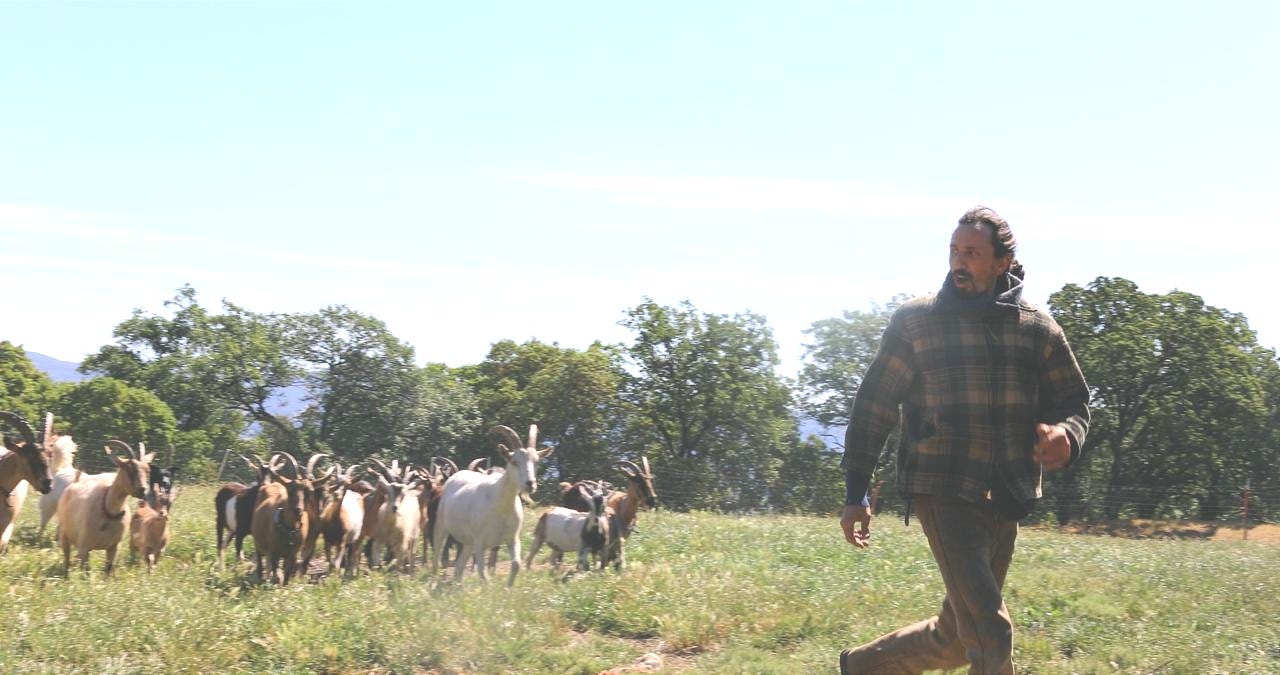
This thread begins after meeting Johnny O’Mara, a shepherd who tends animals the way one tends something that is not fully separate from oneself.
I have been a vegetarian for the past seven years and I did not move through these experiences without hesitation or and a great deal of reflection. My relationship to land and food is evolving in ways I cherish.
Tanning a sheepskin by hand is demanding. It is tiring and muddy. The process of scraping and stretching is repetitive and allowed my mind to drift and imagine the animal’s life before my hands could transform it. I grew closer to it as I worked through its fibers, picturing how the wind had once blown through its wool and the pastures it had grazed.
We worked without hurry over the course of two days, as the work did not allow hurry.
We began by soaking the hides in water to soften them. Giving them a bath. After months of drying and waiting, they drank in, becoming heavy and pliable again.
Then we scraped off any remaining flesh, fat, and membrane on top of a fleshing beam with scraping tools until the hides were clean.
“Are they ready, Johnny?” we’d ask.
“Keep going until the surface has a consistent texture.”
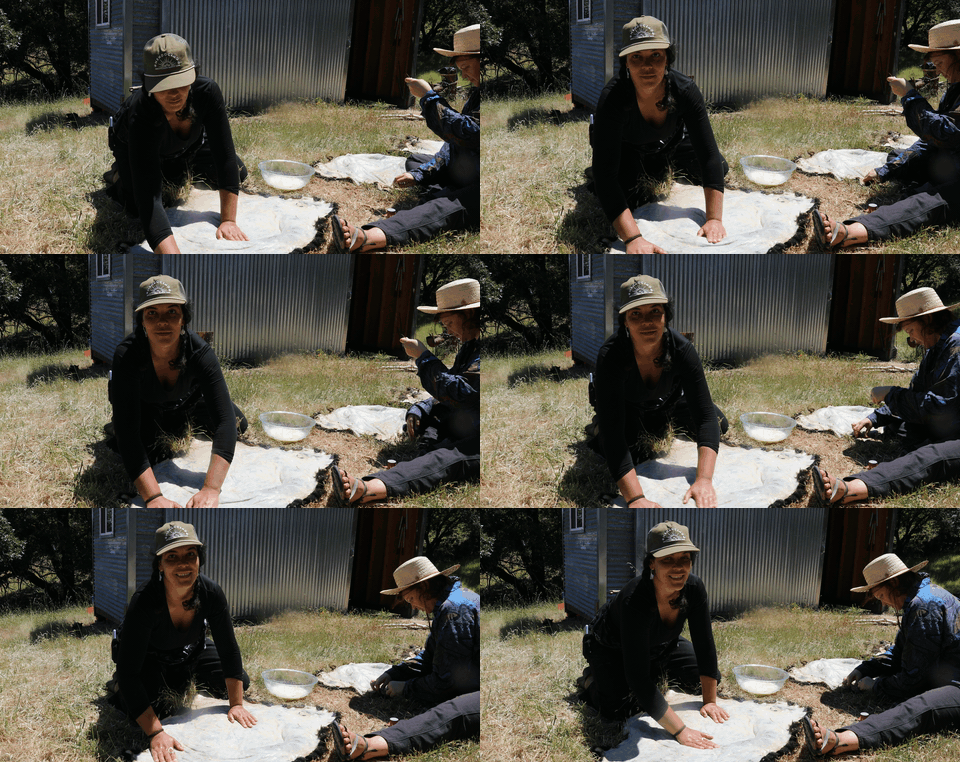
After cleaning them, we worked a mixture of egg yolks and water into the hides by hand. The egg yolks help soften and condition the fibers.
As we massaged the mixture into the skin, my friend Naomi pointed out the delicate network of veins still visible beneath the surface. I hadn't noticed them before. Their blues and purples traced faint paths through the hide.
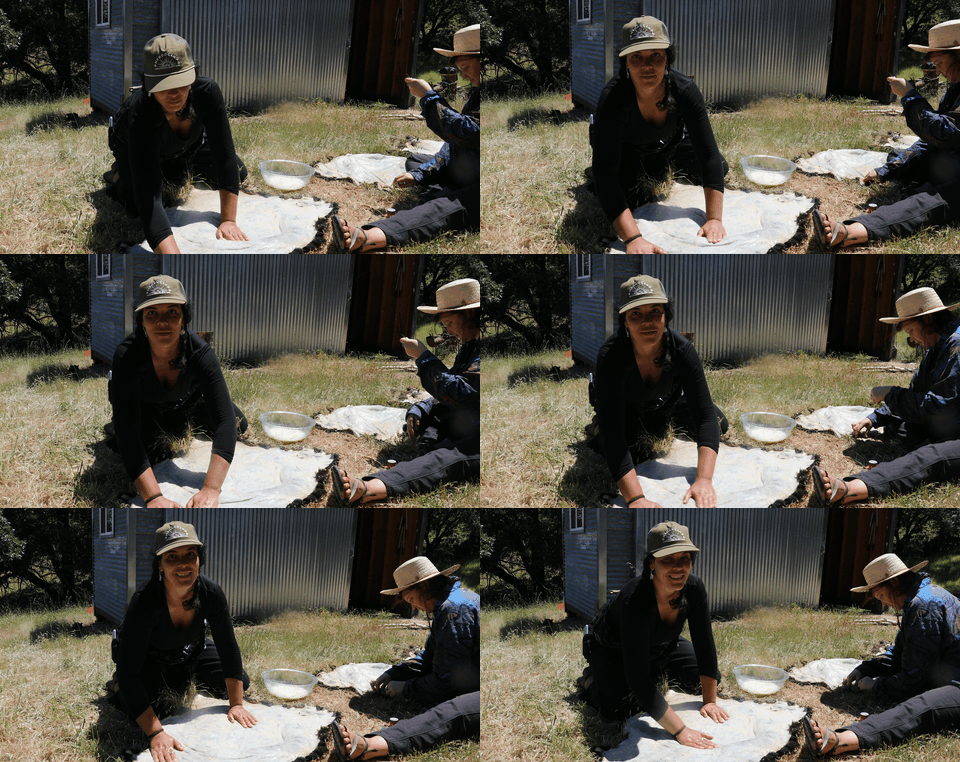
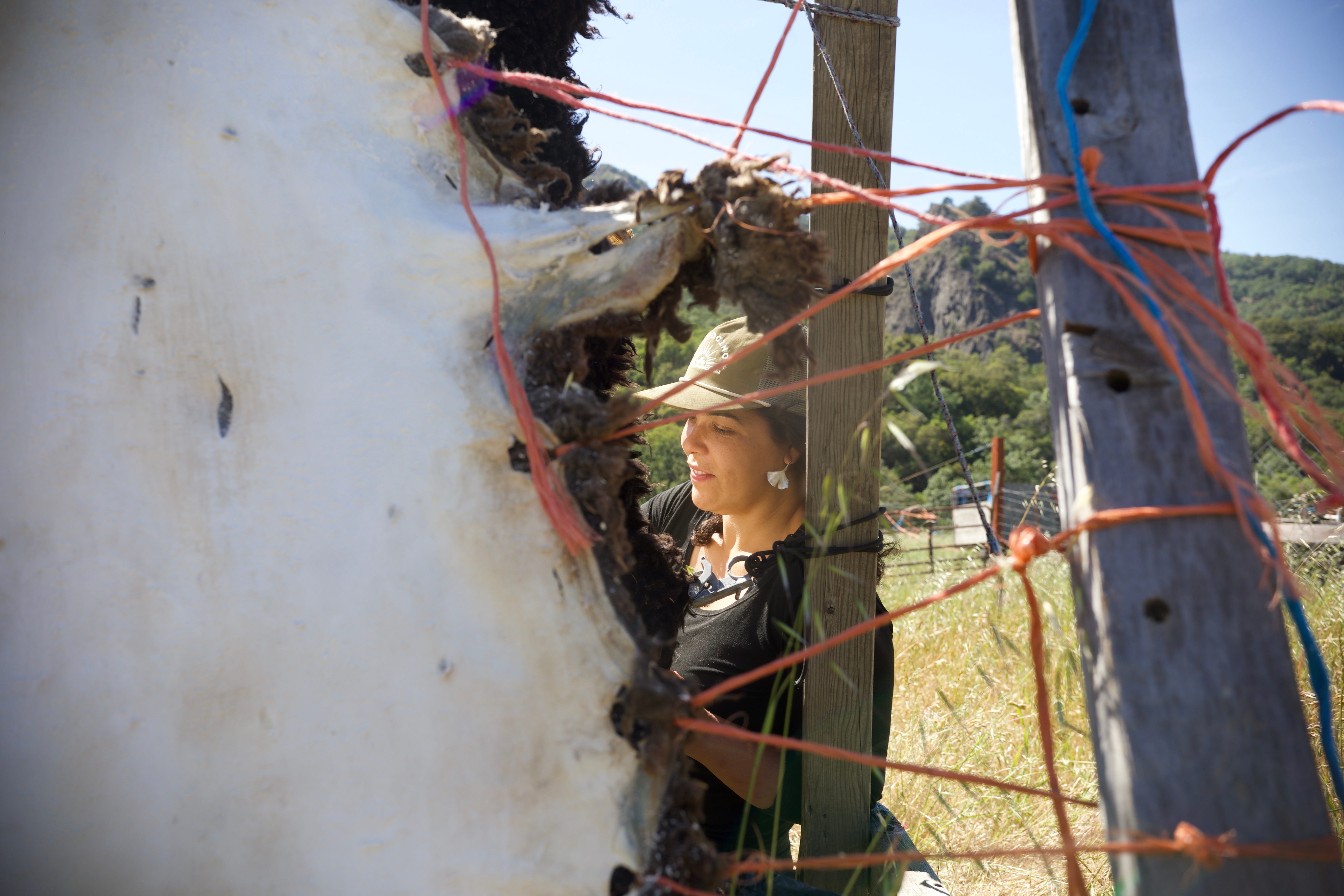
We poked small holes along the perimeter of the hide and laced a cord through them tying them to a wooden frame.
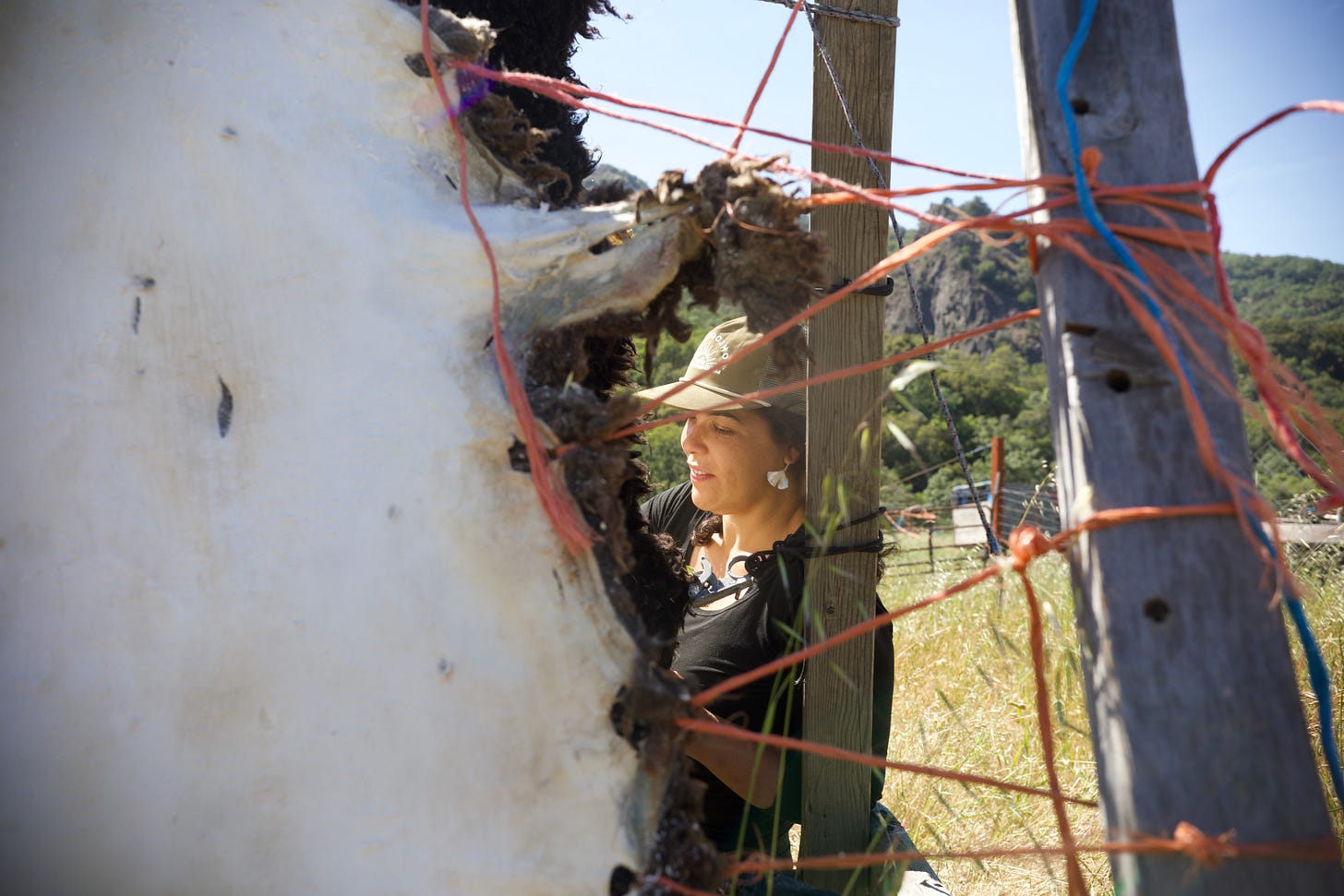
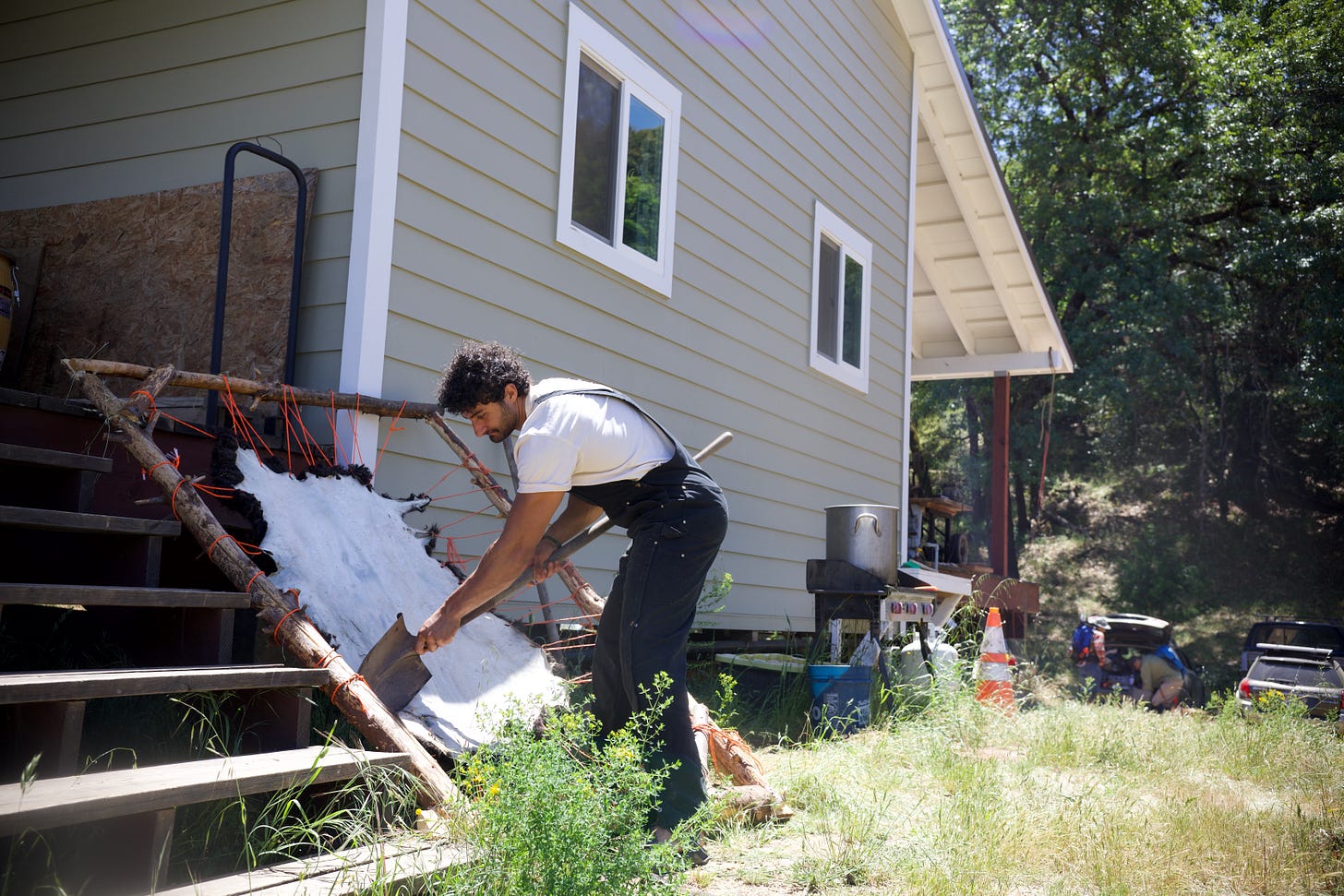
As the hides dried, we stretched and pulled them continuously to keep them soft and prevent them from drying stiff.
We began by using a shovel to stretch the sheepskins.
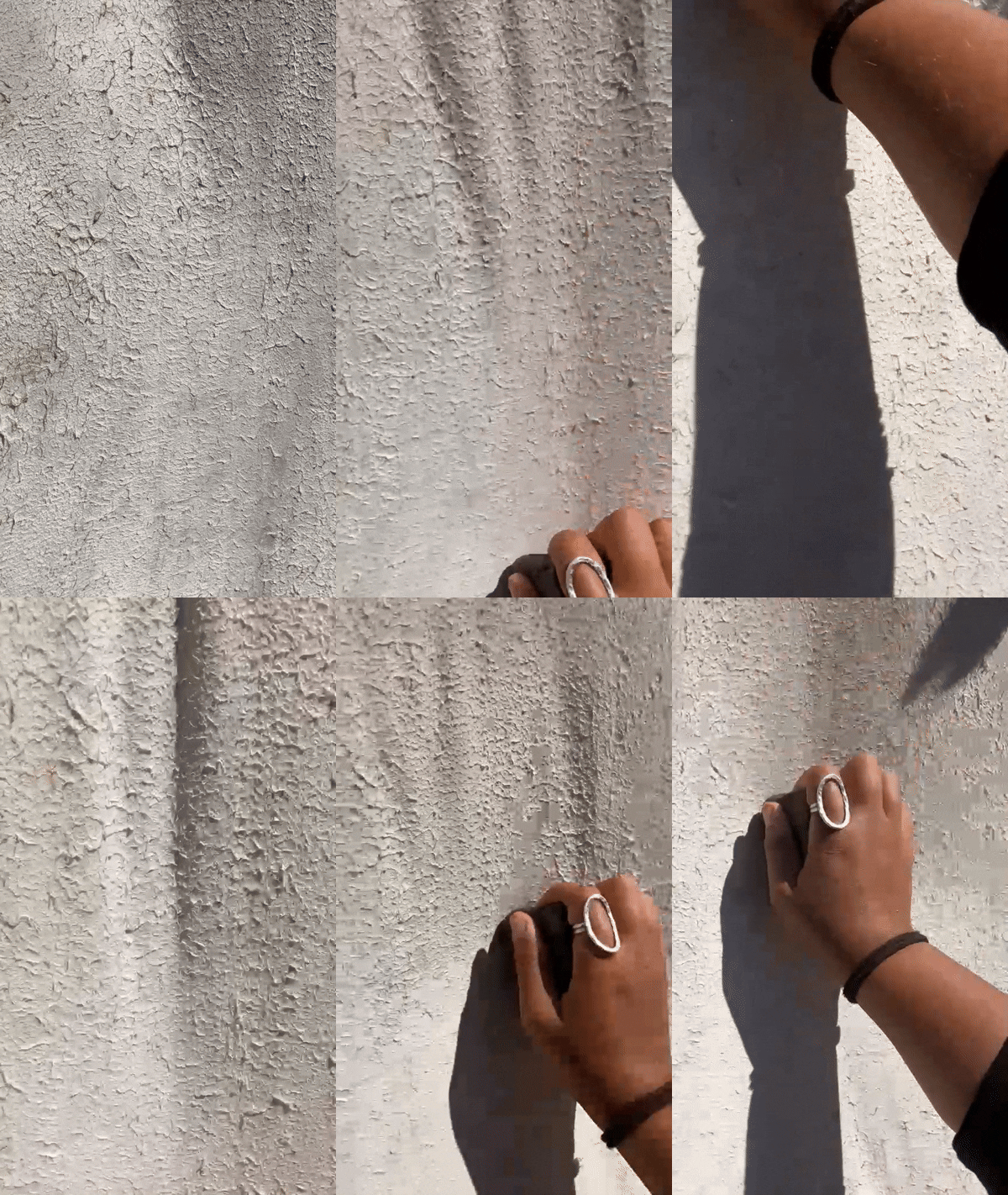
We tried different methods like using a volcanic rock.
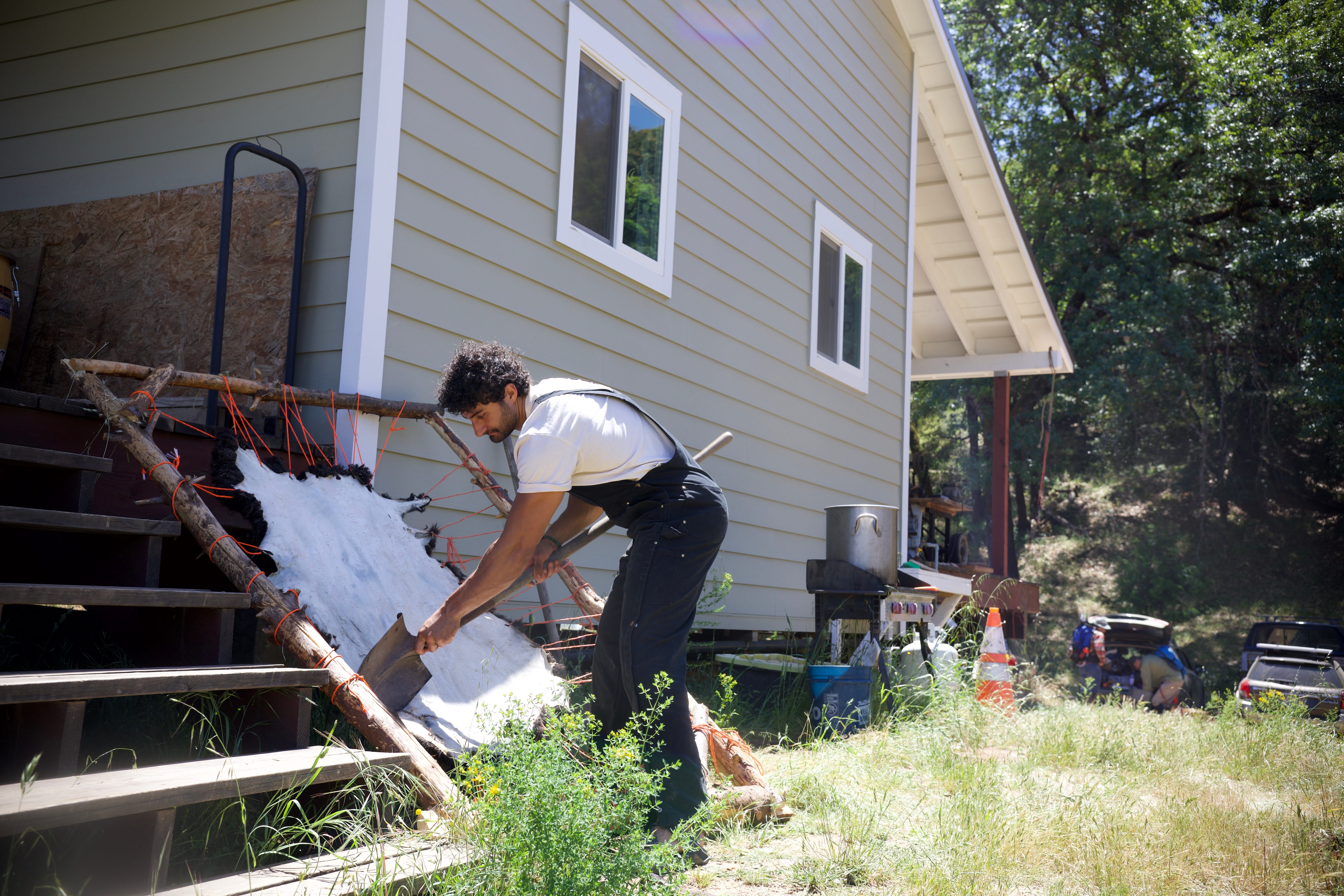
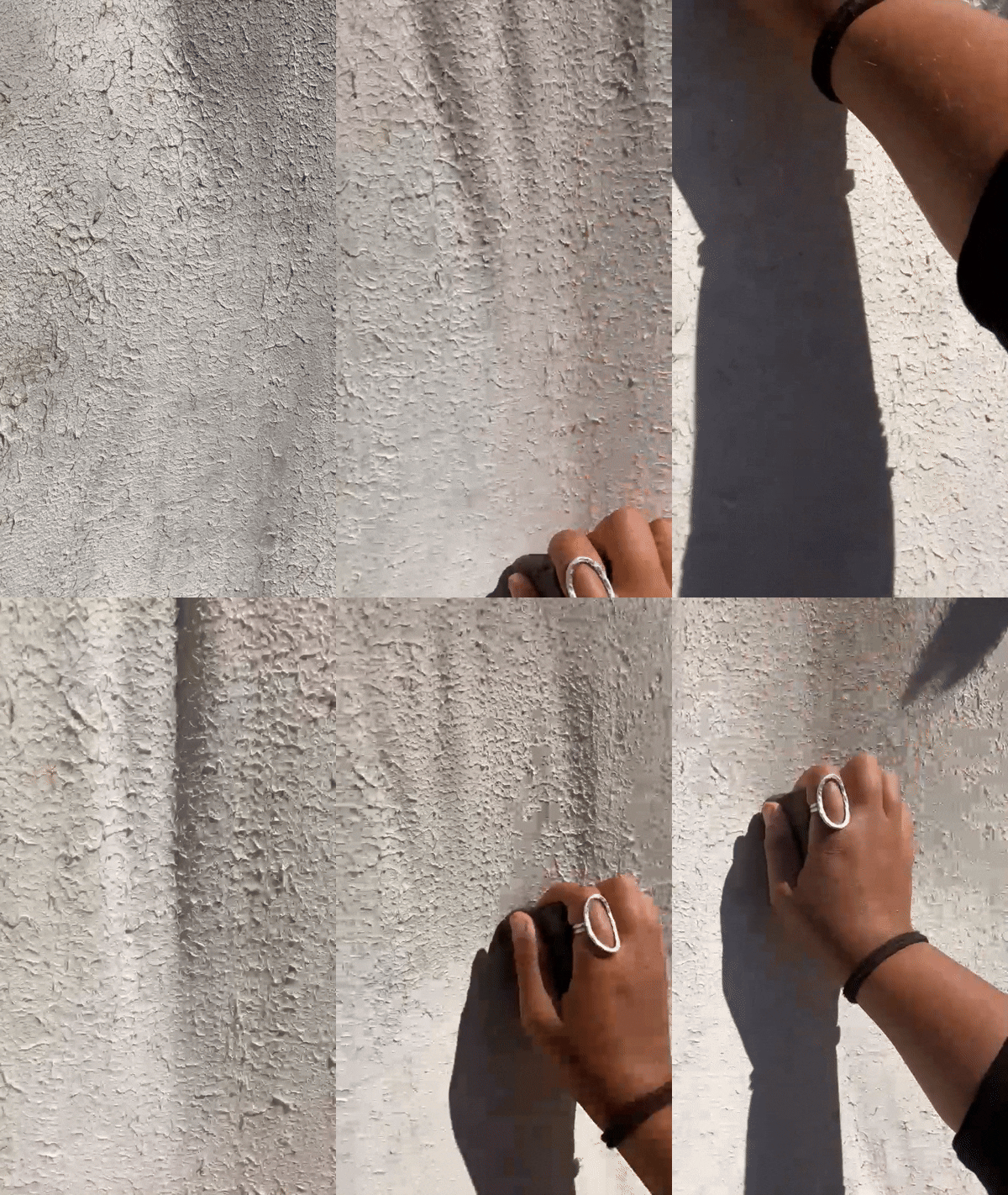
Some started working on a second sheep hide and had less time so tried using a grinder to be quicker. We all preferred using manual tools.
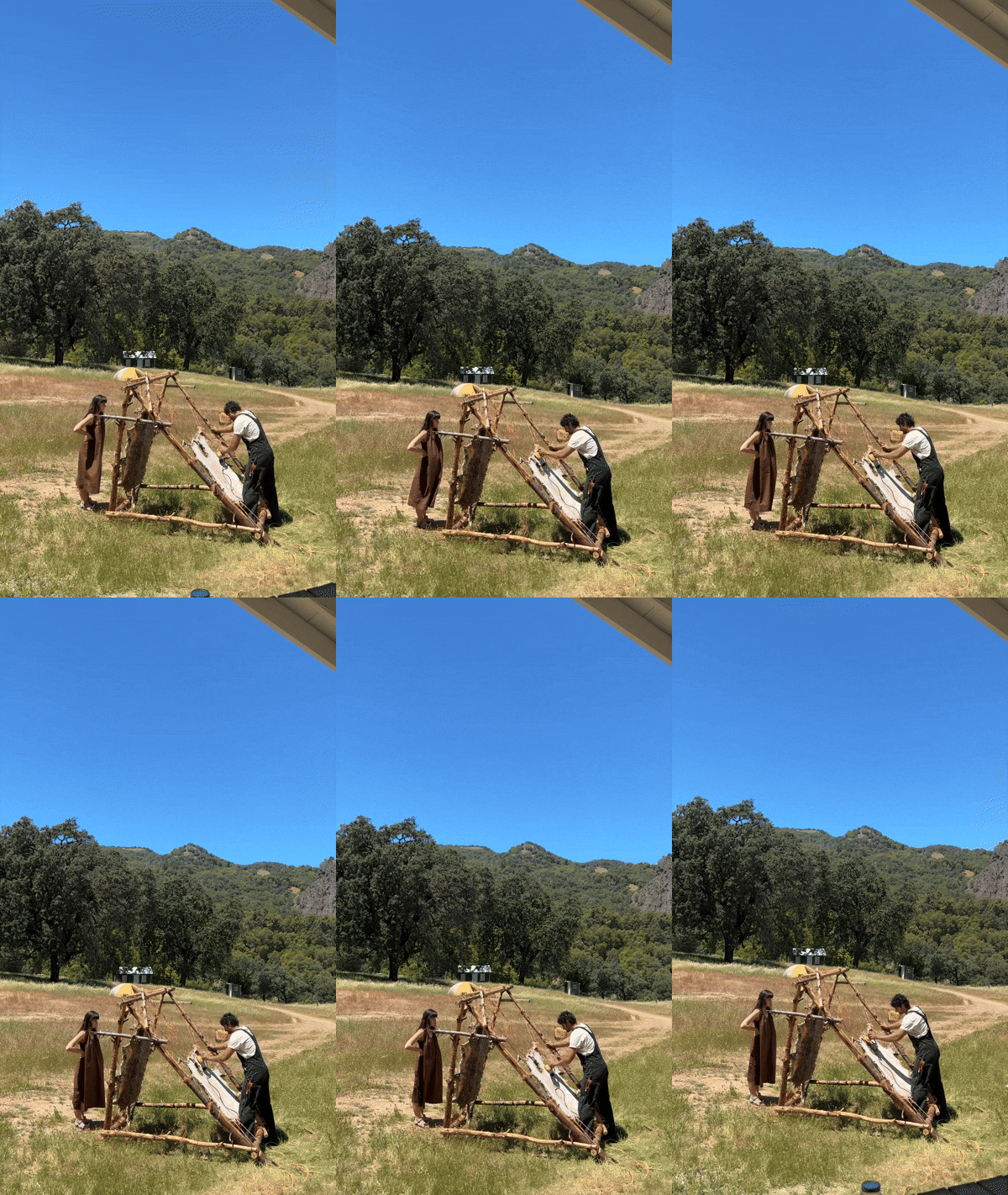
It was a lengthy process…
“Are they ready Johnny?” we’d ask.
“Not until they feel fully dry!”
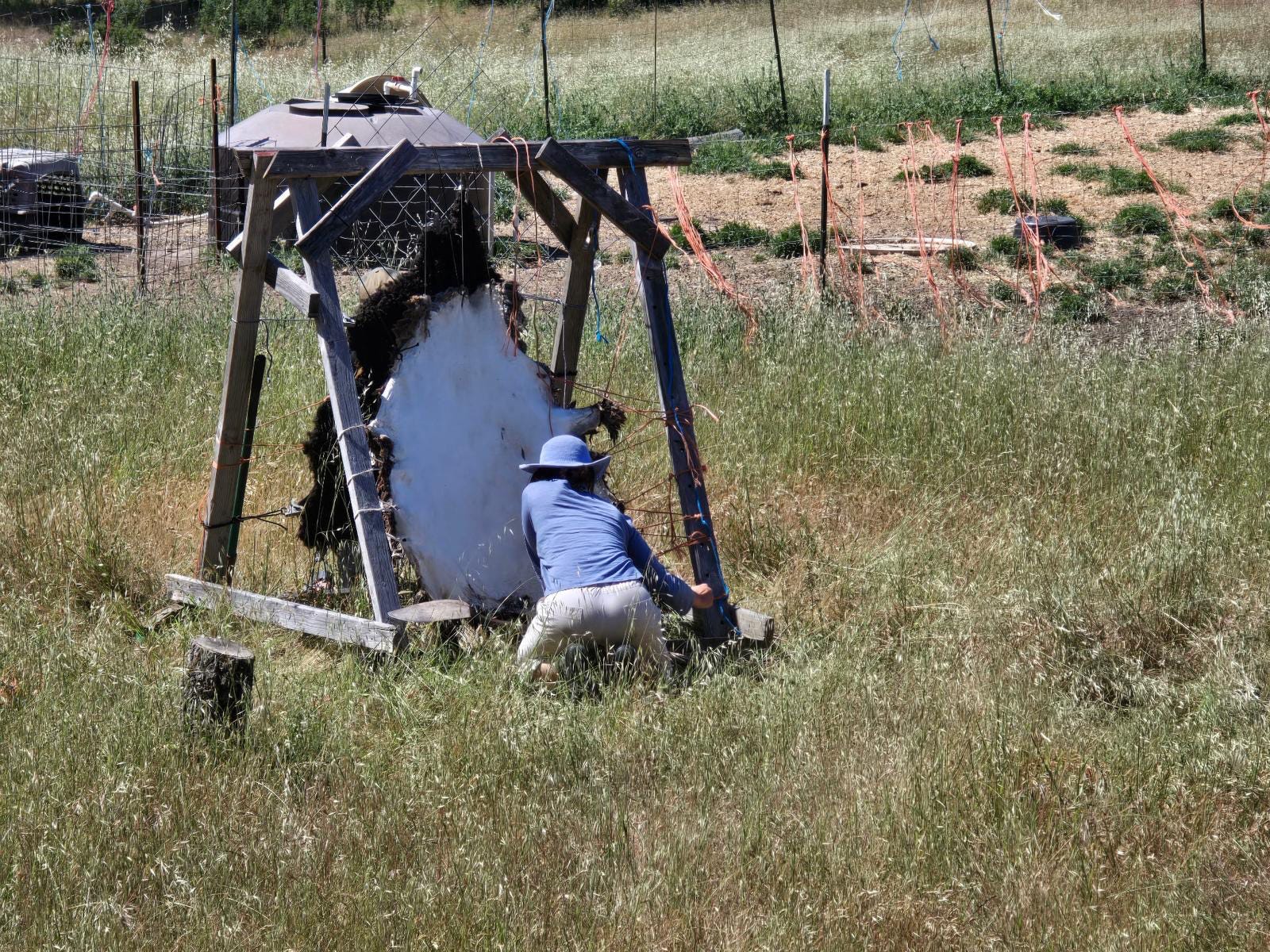
I took many breaks…
Once dry and softened, we smoked the hides over a low wood fire. The smoke helps preserve the hide and makes the softness more permanent.
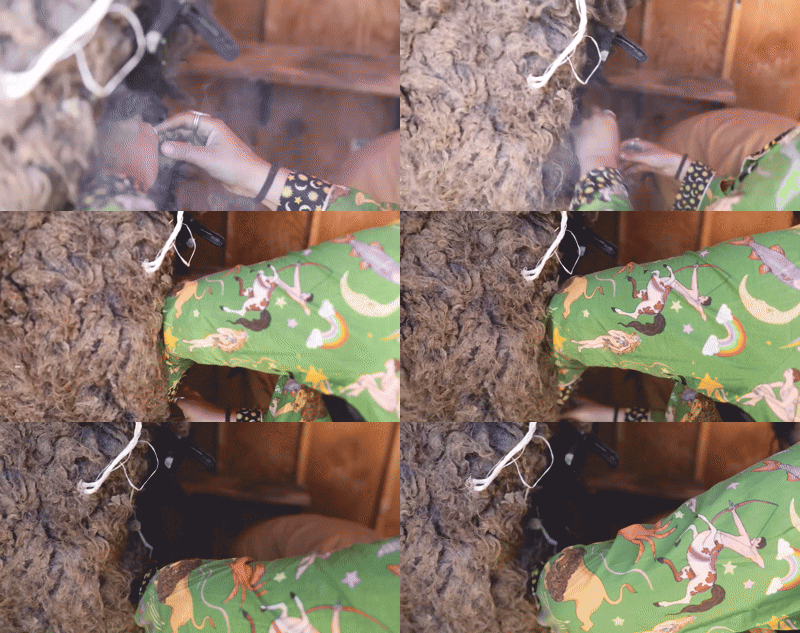
6. After smoking, the hides were finished.
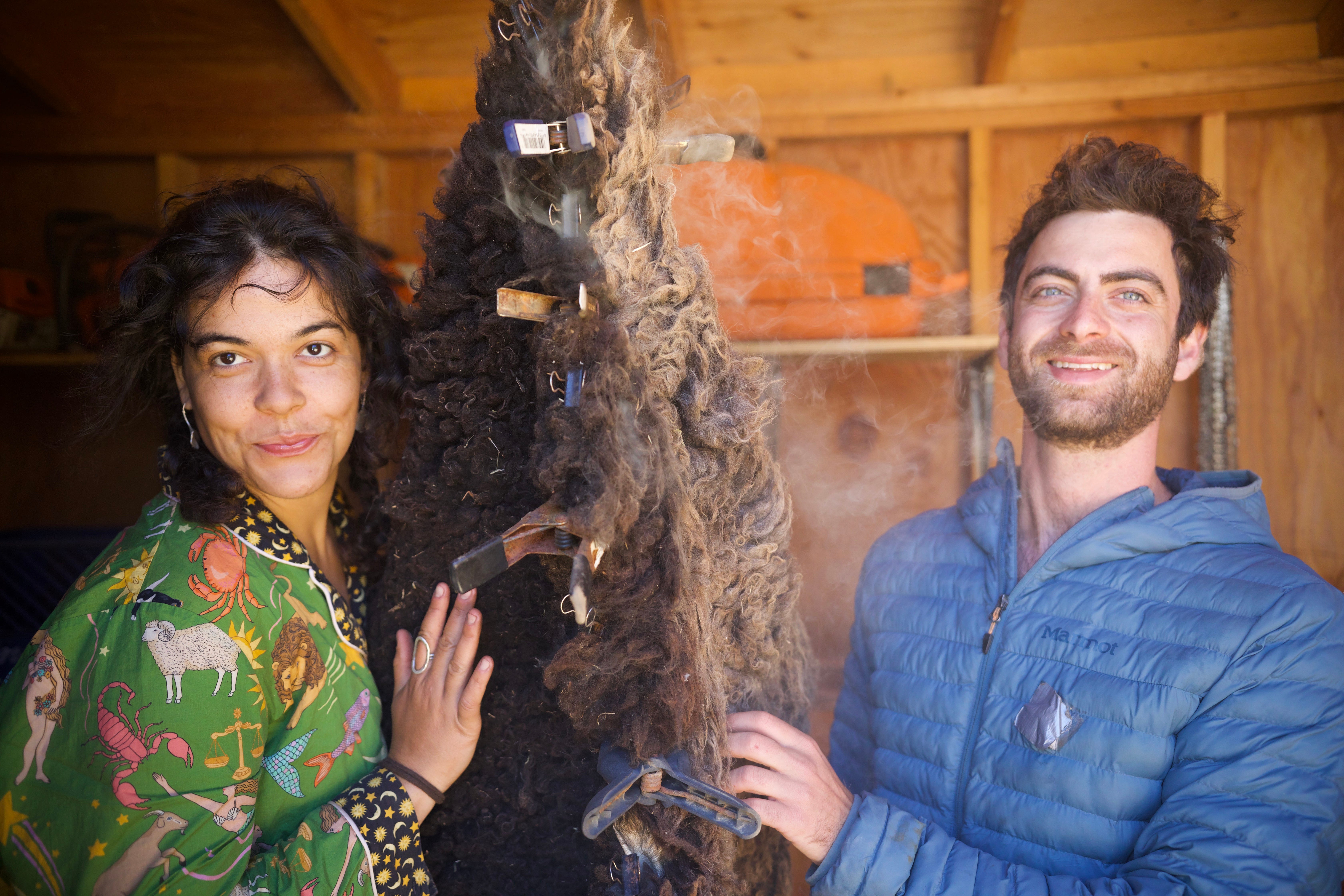
Johnny shared a reflection with us after that weekend.
I’d like to end this piece by sharing it with you.

[The Industrial Revolution] was the creating of a world in the left hemisphere's own likeness. The mechanical production of goods ensured a world in which the members of a class were not just approximate fits, because of their tiresome authenticity as individuals, but truly identical: equal, interchangeable members of their category. They would be free from the 'imperfections' that come from being made by living hands. The subtle variations of form that result from natural processes would be replaced by invariant forms, as well as by largely 'typical' forms, in other words the shapes which the left hemisphere recognises: perfect circles, rectilinear forms such as the straight line, the rectangle, the cube, the cylinder. (Delacroix wrote that it would be worthy to investigate whether straight lines exist only in our brains'; as Leonard Shlain has pointed out, straight lines exist nowhere in the natural world, except perhaps at the horizon, where the natural world ends.) Such regular shapes are not produced by natural processes and are inimical to the body, which is after all a source of constant variation, change, and evolution of form, both in itself, and in everything it goes to create. Thus as far as possible evidence of the body would be eliminated from what is made. It would above all make tools, mechanisms, the sort of of inanimate objects preferentially dealt with by the left hemisphere, and it would make machines that make machines, self-propagating parodies of life that lack all the qualities of the living. Its products would be certain, perfect in their way, familiar in the 'iconic' sense (preferred by the left hemisphere), not in the sense of 'special things that have value for me' (preferred by the right): identical entities, rectilinear in shape, endlessly reproducible, mechanistic in nature, certain, fixed, man-made. - Iain McGilchrist, The Master And His Emissary